Gorilla Trekking in Uganda; Safari Packages & 2026 Permit Prices
Gorilla trekking in Uganda features as one of the major African safari highlights.
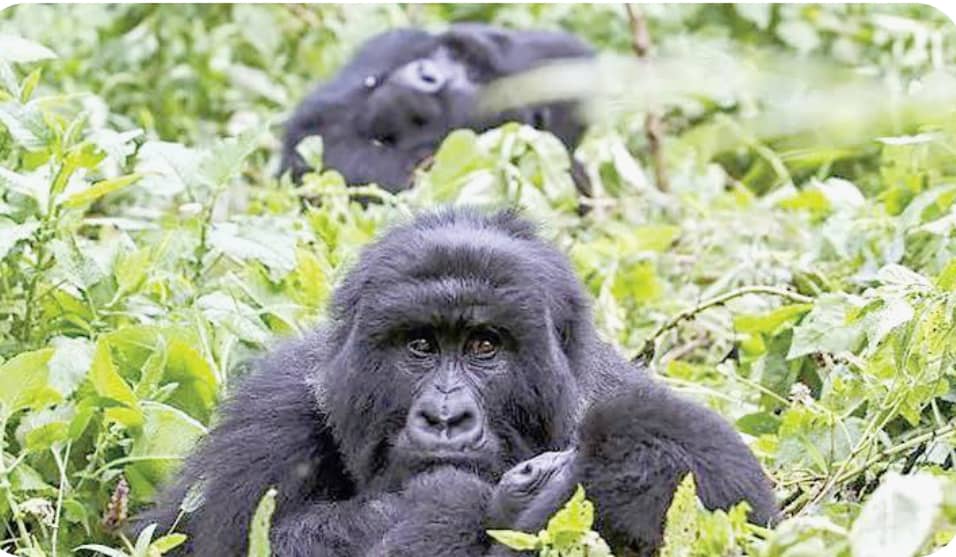
The unique bit about Uganda gorilla trekking adventure is that you get a lifetime face-to-face encounter with the endangered mountain gorillas (also known to be our closest relatives).
The largest population of the current mountain gorillas resides in Uganda, estimated to be over half.
It is during the gorilla trekking experience that you get a chance to explore in-depth how they feed, socialize, play, and how mothers nurse their young ones.
Trekking with mountain gorillas in Uganda offers more than the normal viewing experience.
It is a sensational adventure that also plays a pivotal role in ensuring gorilla protection and conservation.
Besides, the surrounding communities benefit from the visits conducted by tourists.
Over 20% of the revenue generated is returned to the surrounding communities, making gorilla trekking not just the usual activity but an adventure with an impact.
2026 Travelers Guide to Gorilla Trekking in Uganda
Places you can go for Gorilla Tracking in Uganda
Bwindi Impenetrable National Park: This is Uganda’s most visited park because most tourists love to come and have a gorilla trekking experience.
Bwindi is a UNESCO World Heritage Site in Uganda with over 500 mountain gorillas. Bwindi has four sectors that provide their own gorilla trekking experience.
Buhoma sector: This is located in the northern altitude of 1500 km above sea level.
It is the most popular trailhead for gorilla trekking and the gentlest of all. It has a good number of gorilla families, as it is also in other sectors.
The families include: Habinyanja, Rushegura, Mubare, Katwe and Muyambi. These families are often led by a dominant silverback.
Nkuringo sector: It is located in the south near Kisoro district, and it is the most adventurous trail there is in Bwindi, as it is known for its steeper trails, raised to a high altitude for sighting the beautiful scenery below.
The famous gorilla families are Bushaho, Nkuringo, Christmas, and Mishaya, which are also led by a silverback.
Rushaga sector: It is also located in the south and has more habituated gorillas and enables sighting of Virunga Mountains and Lake Mutanda. The accommodation facilities here range from budget to luxury, so one’s pockets determine where they will reside and the kind of services they will get.
The gorilla families include: Rwigi. Bweza, Bikingi and Nshongi among others.
Ruhija sector: It is a bird haven for bird enthusiasts located in the eastern part of Bwindi, easily accessible from Kabale and near Queen Elizabeth National Park.
It offers cooler temperatures and panoramic views since it is at a high altitude of 2,500mm and is also the only sector where you can sight forest elephants, antelopes, and monkeys.
Ruhija gorilla families include: Oruzogo, Bitukura and Kyaguriro. It is also the least crowded sector because permits are fewer.
Mgahinga National Park: This Park is located in the southwestern part of Uganda in Kisoro district, bordering Rwanda and DRC. It is Uganda’s smallest park but with a wide biodiversity.
It is famous for mountain gorillas and golden monkeys, Batwa cultural experiences, and volcano hiking.
It offers a blend of wildlife, stunning landscapes of the Virunga Mountains, misty peaks and forests, and adventure.
Here, you see the Nyakagezi gorilla family, with shorter and less crowded treks compared to Bwindi Impenetrable National Park.
Golden monkey trekking is another exciting experience you can undertake in Mgahinga National Park. You can sight the endangered primate species in the bamboo zones.
Volcano hiking can also be done by hiking on the trails of the three extinct volcanoes, namely Sabyinyo, Mgahinga, and Muhabura.
Outside Uganda, Rwanda also provides a gorilla trekking experience in the Volcanoes National Park with a permit of $1500.
In the Democratic Republic of Congo, gorillas can be seen in Virunga National Park & Kahuzi-Biega National Park (best for Eastern Lowland gorilla trekking).
Bwindi Impenetrable and Mgahinga National Parks are two iconic parks in Uganda where you can have an ultimate gorilla trekking experience, sighting and having a face-to-face encounter with them.
The Trekking Experience: What to Expect?
 Your day begins at 7:30 AM with a briefing at the park headquarters. Rangers will cover safety rules, primate etiquette, and assign you to a gorilla family based on your physical fitness.
The Hike: Groups are capped at a maximum of 8 people per gorilla family.
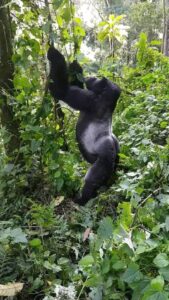
Led by armed park rangers and trackers, you will plunge into thick undergrowth, navigating muddy slopes, tangled vines, and narrow ridges.
The Duration: Treks can last anywhere from 2 to 7 hours depending on where the gorillas nested the previous night.
The Magic Hour: Once your trackers locate the family, the clock starts. You have exactly 1 hour to watch them play, groom, forage, and interact. Standing just meters away from a massive, 200-kilogram Silverback is a moment of pure, breathless awe.
Best Time to Track Gorillas
Because Uganda sits directly on the equator, it does not experience traditional winter or summer seasons. Instead, weather patterns are defined by dry and rainy periods.
While gorilla trekking in Bwindi Impenetrable National Park at four sections: Rushaga, Ruhija, Buhoma & Nkuringo.
Mgahinga Gorilla National Park is open year-round; choosing the right month depends entirely on your tolerance for mud, budget, and fitness level.
The Peak & Dry Seasons
Uganda has two distinct dry seasons. These months are universally considered the absolute best times for gorilla trekking in Uganda.
The Long Dry Season: June to September because of the following reasons;
The Short Dry Season: December to February
Why You should go during the long dry season (June to September) & short dry season (December to February)?
- Dry and Manageable Trails: Minimal rainfall keeps the steep, high-altitude paths firm. You will face significantly less mud and slippery terrain compared to the wet months.
- Sunlight and Clear Views: Blue skies and bright sunshine dominate this period. The reduced mist provides excellent lighting for wildlife photography.
- Migratory Bird Species: This window coincides with the arrival of migratory birds from Europe and northern Africa. It is the ultimate time for travelers wanting to combine gorilla tracking with world-class bird watching.
- Slightly Fewer Tourists: While still a popular time to visit, December to February typically sees slightly lower peak crowds than the July–August rush, offering a more intimate forest experience.
- Active Savannah Wildlife: The dry weather dries up temporary water holes in nearby savannah parks like Queen Elizabeth National Park. Wildlife concentrates around permanent water sources, making game drives highly rewarding.
- Easier Trekking Conditions: Heavy rains in the wet season turn the steep volcanic slopes into slick hazards. June to September minimizes mud, providing firmer footing on demanding multi-hour hikes.
- Enhanced Visibility: Drier weather thins out the dense tropical undergrowth. This less obstructive foliage makes it significantly easier to see and photograph the gorilla families clearly.
- Better Photography Conditions: Frequent blue skies and abundant sunshine replace the heavy mist, fog, and downpours that can otherwise obscure camera lenses and compromise lighting.
- Fewer Pests: The drop in moisture leads to a noticeable reduction in bothersome forest insects and leeches along the trails.
- Seamless Safari Combinations: This period aligns perfectly with the dry season in Uganda’s savannah parks (such as Queen Elizabeth or Murchison Falls), making it easy to pair your primate trek with exceptional classic big-game viewing.
The Low & Rainy Seasons:
Uganda experiences two rainy seasons when the skies open up more frequently:
- The Long Rainy Season: March to May
- The Short Rainy Season: October to November
Why You Should Go during the long rainy season (March to May) & Short rainy season (October to November)?
- Zero Crowds: You will experience the jungle in its rawest, most peaceful state. Tracking groups (which are capped at 8 people) are rarely full, sometimes leaving you with a near-private encounter.
- Shorter Trekking Times: The rains trigger the growth of tender fresh bamboo shoots and forest fruits on the lower mountain slopes. Because food is abundant at the base, gorilla families rarely climb to the high peaks, often resulting in much shorter and less exhausting hikes.
- Dramatic Mist and Lighting: October and November bring the iconic “misty” look to Bwindi Impenetrable National Park. The atmosphere is highly dramatic, the air is completely free of dust, and the vegetation is a vibrant, deep green—ideal for unique, moody wildlife photography.
- Low-Season Discounts: Many luxury and mid-range safari lodges slash their rates during these months to attract travelers. You can stay at high-end properties for a fraction of their peak-season prices.
- Excellent Permit Flexibility: You do not have to book a year in advance. Permits are highly available, allowing you to plan a spontaneous trip or adjust your tracking dates easily.
- Bwindi Birdwatching Peak: November marks the arrival of migratory bird species from Europe and northern Africa. Combining gorilla trekking with birding is exceptional during this specific window.
- Gorillas Stay at Lower Altitudes: Abundant rainfall creates a massive growth of fresh bamboo shoots and fruits on the lower slopes. The gorillas do not need to climb high into the mountains for food, often making your trek significantly shorter and less physically exhausting.
- Maximum Exclusivity and Solitude: Tourist numbers drop drastically during these months. You will experience uncrowded trails, and your tracking group (normally capped at 8 people) may be even smaller, allowing for a much more intimate, peaceful hour with the gorillas.
- Significant Cost Savings: Many luxury and mid-range safari lodges offer steep “low-season” discounts or waive single supplements. If you are on a budget, your money goes much further during these months.
- Easy Permit Availability: Finding gorilla permits is incredibly easy, even for last-minute travelers. You will not face the 12-month advance booking pressure of the dry seasons.
- Lush, Vibrant Photography: The rainforest is at its most beautiful, turning an intense, vibrant green. The air is completely crisp and free of dust, creating beautifully saturated, dramatic backgrounds for photography.
Important Challenges to Expect on Gorilla Tracking in Uganda
- Choosing the rainy season means adapting to a more rugged adventure:
- Slippery and Muddy Trails: The steep volcanic terrain becomes slick and physically demanding. High-quality, deep-tread hiking boots and a sturdy walking stick are absolute necessities.
- Equipment Protection: Heavy downpours can happen at any moment. You must bring heavy-duty waterproof jackets, rain trousers, and waterproof dry-bags to protect your camera gear and phones.
- Challenging Dirt Roads: The unpaved roads connecting towns to the national parks can become deeply rutted and muddy. A reliable 4×4 vehicle and an experienced driver-guide are mandatory.
- Unpredictable Downpours: Rains during this season usually come in heavy, short bursts rather than lasting all day, but they can catch you by surprise on the trail.
- Slick Trails: The forest paths will be muddy and slippery. A walking stick and gaiters are highly recommended to keep your footing and stay clean.
- Insect Activity: The return of moisture brings out more forest insects, making high-strength insect repellent an absolute necessity.
What to Carry during the Gorilla Safaris in Uganda.
To ensure a comfortable and safe experience during your gorilla trek in Uganda, you need to pack for a humid tropical rainforest with steep, uneven terrain and unpredictable weather.
The key is wearing layers that protect your skin from sharp vegetation, stinging nettles, and insects.
Essential Clothing and Footwear
- Sturdy Hiking Boots: Waterproof boots with deep tread and excellent ankle support are non-negotiable for navigating slick, muddy volcanic slopes.
- Long-Sleeved Shirt & Trousers: Lightweight, moisture-wicking clothing protects against scratches, stinging nettles, and insect bites. Avoid camouflage patterns, which are reserved for the military.
- Trekking Gaiters: Long socks or canvas gaiters to pull over your trousers. This prevents safari ants and leeches from crawling up your legs.
- Lightweight rain jacket/Poncho: Tropical downpours can happen unexpectedly in any season, even during the dry months.
- Gardening gloves: Thick cotton or leather gloves are incredibly useful for grabbing onto branches, thorny vines, and muddy roots along the steep trails.
- Wide-brimmed hat & sunglasses: Essential for sun protection during open ridge walks and open-top vehicle transfers.
Gear and Electronics
- Waterproof Daypack: A small, comfortable backpack with a rain cover to keep your lunch, water, and valuables dry.
- Camera with Extra Batteries: Turn off the flash (it terrifies the gorillas). Bring extra memory cards and a Ziplock bag or dry-bag to protect your equipment from moisture.
- Sturdy Walking Stick: Highly recommended for balance. These are usually provided for free or a small fee at the park headquarters before the trek.
- Binoculars: Very helpful for spotting birds or seeing gorillas clearly if they are nesting high up in the tree canopy.
Personal Care and Consumables
- High-Strength Insect Repellent: Look for a formula containing DEET to ward off forest flies and mosquitoes.
- Sunscreen & Lip Balm: High SPF protection for the high-altitude equatorial sun.
- Energy Snacks: Treks can last anywhere from 1 to 8 hours. Lodges always provide a packed lunch box; carry extra energy bars, nuts, or dried fruit.
- At Least 2–3 Liters of Water: Dehydration happens quickly on strenuous mountain climbs. Bring reusable water bottles or a hydration bladder.
Crucial Documents and Cash
- Original Passport: Needed for verification at the park headquarters during the morning briefing.
- Gorilla Trekking Permit: Keep the physical printout or digital confirmation safe.
- Cash for Tipping rangers and Porters: Carry local currency (Uganda Shillings) or clean, un-torn US Dollar bills. Hiring a local porter costs around $15–$20 USD.