
First Timers Gorilla Safari Guide Uganda and Rwanda (2026/2027)
A Complete Gorilla Safari Guide Uganda and Rwanda for first-timers: Embarking on a gorilla safari is a profound, life-altering experience. Standing just a few meters away from a massive silverback gorilla in its natural habitat is a privilege shared by only a fraction of the world’s travelers.
Unlike a traditional vehicle-based savannah safari, a gorilla trek is an active, immersive adventure that requires physical effort, mental preparation, and deep respect for wildlife.
If you are planning your first trek into the misty rainforests of East and Central Africa, you likely have plenty of questions. What does the actual hike feel like? How close will you really get? What should you pack?
This comprehensive guide breaks down exactly what to expect from start to finish, ensuring you are fully prepared for your encounter with the mountain gorillas.
Expert Gorilla Safari Guide Uganda and Rwanda
-
Choosing Your Destination: Uganda vs. Rwanda
Mountain gorillas cannot survive in captivity, meaning you can only see them in the wild. They are found in a single, continuous region shared by three countries: Uganda, Rwanda, and the Democratic Republic of Congo (DRC). Due to safety considerations, most first-time travelers focus on Uganda and Rwanda.
- Rwanda (Volcanoes National Park): Known for its high-end luxury infrastructure, Rwanda’s trekking destination is located about a 2.5-hour drive from the capital, Kigali. The terrain can be steep, but the bamboo forests often offer clearer visibility.
- Uganda (Bwindi Impenetrable National Park & Mgahinga Gorilla National Park): Uganda offers a more affordable permit price. Bwindi is home to roughly half of the world’s remaining mountain gorilla population. The terrain here is incredibly dense and tangled, living up to its “impenetrable” name. The drive from the main airport in Entebbe is long (around 8 to 9 hours), though many travelers opt to fly into Kigali and cross the land border, or take a domestic charter flight.
Both countries offer an equally magical viewing experience once you locate the gorillas. Your choice will ultimately depend on your budget, travel timeline, and preferred level of luxury.
-
Gorilla Safari Guide Uganda and Rwanda: Useful Tip -The Early Morning Briefing
Your safari day begins early. By 7:00 AM, you will arrive at the park headquarters. The air is typically crisp and cool, heavy with mist.
Before anyone sets foot on the trails, park rangers conduct a mandatory safety and protocol briefing. This is a crucial step where you will learn the rules of the forest, including:
- Maintaining a strict minimum distance from the gorillas (usually 7 to 10 meters).
- Keeping your voice down to avoid startling the primates.
- Never using flash photography, which can provoke an aggressive response.
- What to do if a gorilla approaches you or shows signs of aggression (such as crouching down and avoiding direct eye contact).
During this time, the rangers will also assign you to a specific habituated gorilla family. Park trackers keep tabs on the families daily, so the rangers have a good idea of their general locations. Groups are limited to a maximum of eight tourists per gorilla family to minimize stress on the animals and reduce the risk of disease transmission.
-
The Power of the Porter
During the briefing, you will have the opportunity to hire a local porter. Even if you consider yourself highly fit, hiring a porter is highly recommended for two vital reasons.
First, the terrain is genuinely challenging. A porter will carry your daypack, navigate slippery mud, and offer a steady hand during steep climbs or descents. This frees you up to focus entirely on your footing and your surroundings.
Second, hiring a porter is a direct and impactful way to support the local community. Many porters are former poachers or residents living on the fringes of the park. The income they earn from treks provides a sustainable livelihood, turning the local community into fierce protectors of the gorillas rather than competitors for the forest’s resources.
-
The Trek: Into the Dense Jungle
Once groups are assigned, you will head to the trailhead. This is where the true adventure begins.
There is no predictable timeline for a gorilla trek. You might find your assigned family within 45 minutes, or you might hike for up to six hours through tangled vines, stinging nettles, and thick mud.
The gorillas move daily to forage, and your guides will follow the physical clues—and radio communication from advanced trackers—to find them.
The hiking conditions are physical. You will be walking off-trail, stepping over fallen logs, wading through small streams, and climbing muddy slopes.
The altitude can also be a factor, as treks often take place between 2,000 and 3,000 meters above sea level. Pace yourself, drink plenty of water, and communicate openly with your guide if you need a break.
-
The Magic Hour: Meeting the Gorillas
When your guide suddenly stops, whispers for everyone to lower their voices, and instructs you to leave your walking sticks and backpacks behind with the porters, your heart will race. You have arrived.
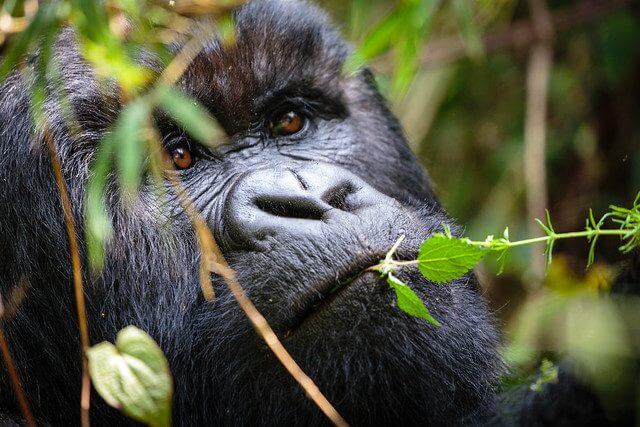
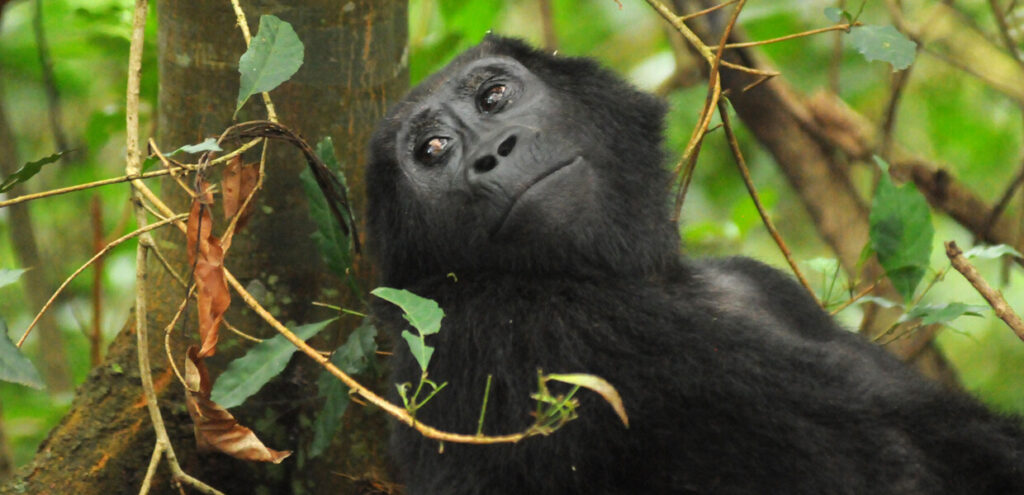
You will pull out your camera, step through the dense foliage, and find yourself in the presence of a gorilla family. The sheer size of a silverback—often weighing over 150 kilograms—is breathtaking. Yet, despite their immense power, mountain gorillas are remarkably peaceful, gentle giants.
You are permitted exactly one hour with the gorillas. This time limit is strictly enforced to prevent the animals from becoming overly habituated or stressed by human presence.
During this hour, you will watch them go about their daily lives. You might see a mother cradling an infant, juveniles wrestling and tumbling out of trees, or the dominant silverback keeping a watchful eye over his family. They may look directly at you with deep, soulful, amber eyes that reveal an undeniable intelligence.
A tip for this hour: Put your camera down for at least fifteen minutes. It is easy to get caught up viewing the entire experience through a lens or a screen. Take time to simply sit, listen to their low rumbles and chest beats, breathe in the earthy scent of the forest, and absorb the reality of the moment.
-
What to Pack for the Trek
Proper gear can make or break your safari experience. The jungle is a harsh environment, and you need to protect yourself from scratches, insects, and unpredictable weather. Check out the ultimate packing list for gorilla trekking tour.
- Long-Sleeved Shirt and Long Trousers: Lightweight, moisture-wicking materials are best. Tuck your trousers into your socks to prevent safari ants and other insects from crawling up your legs.
- Sturdy Hiking Boots: Waterproof boots with excellent ankle support and deep tread are non-negotiable. Brand new shoes will cause blisters; make sure they are well broken-in before your trip.
- Tough Gardening Gloves: You will constantly be grabbing branches, vines, and roots for balance. Heavy-duty gardening gloves protect your hands from thorns and stinging nettles.
- Light Waterproof Jacket: Rain can sweep across the volcanic slopes at any moment, regardless of the season.
- Insect Repellent and Sunscreen: Apply a strong insect repellent before heading into the forest.
- Energy Snacks and Water: Pack at least two liters of water and high-energy snacks like nuts, dried fruit, or energy bars.
-
Crucial Rules and Ethical Travel
Here are some of the rules and regulations to expect to follow;
Because humans and gorillas share roughly 98% of their DNA, mountain gorillas are highly susceptible to human illnesses.
A common cold or flu virus could be devastating to an entire gorilla family.
If you feel sick, have a cough, or are suffering from a stomach bug on the morning of your trek, you must declare it to the park staff. In many cases, you will be offered a refund or have your trek rescheduled for safety reasons.
While with the gorillas, if you need to cough or sneeze, you must turn your head away and cover your mouth completely.
Additionally, many parks now require visitors to wear medical masks during the actual viewing hour to further mitigate the risk of disease transmission.
Final Thoughts
A gorilla safari is not a passive holiday; it is an active pilgrimage into one of the wildest corners of our planet. It demands physical effort, patience, and a willingness to step out of your comfort zone.
However, the moment you lock eyes with a wild silverback in the depths of a misty rainforest, every muddy step and steep climb disappears from your mind. You are left with a profound sense of wonder and a memory that will stay with you for the rest of your life.