
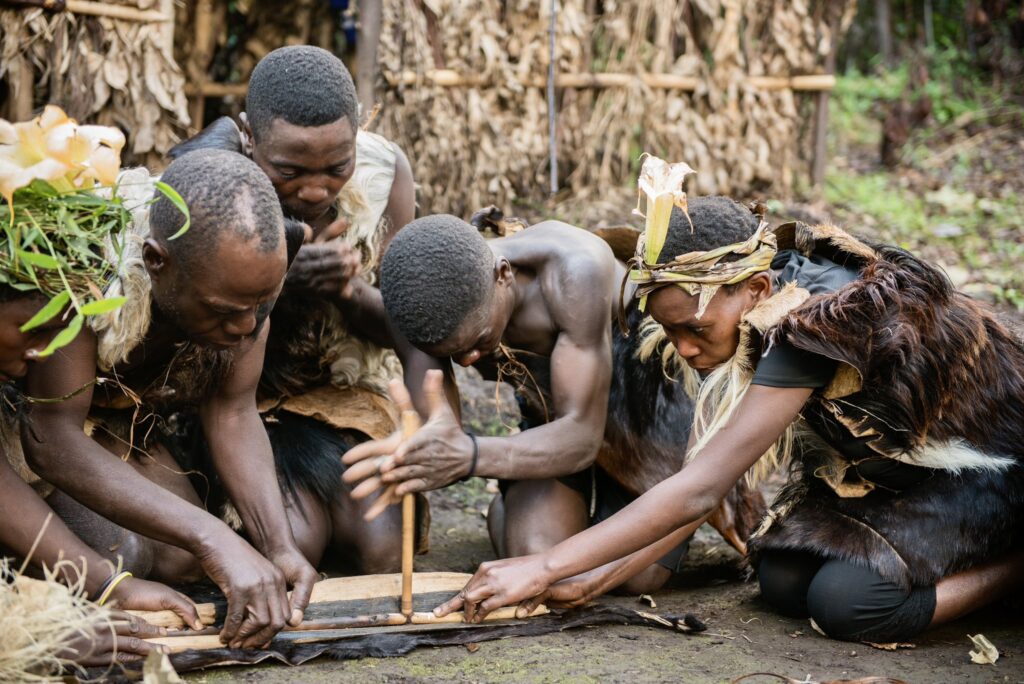
Facts About the Batwa People
Believed to be among the earliest inhabitants of Central Africa’s equatorial woodlands, there is alot of facts about the Batwa people who are one of the continent’s most ancient indigenous societies.
For over half a million years, they thrived across a region that spans modern-day Uganda, Rwanda, Burundi, and the Democratic Republic of Congo.
As nomadic traditional hunters and foragers, the Batwa people’s lifestyle that exclusively depended on the dense wilderness for protection and solutions.
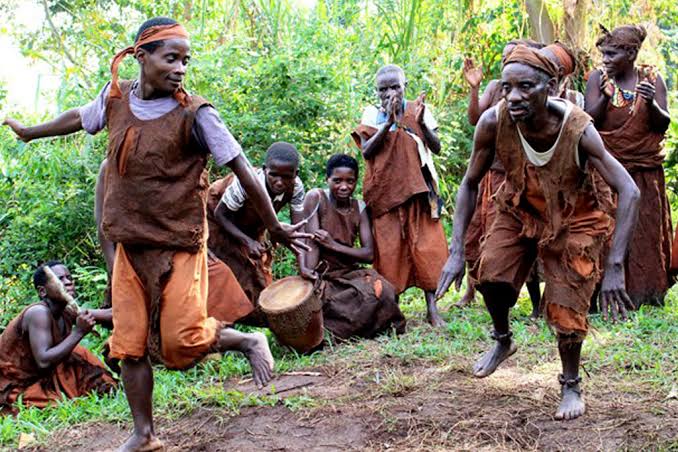
The Batwa People -Everything Factual You Should Know
A Sustainable Legacy and Sacred Bond
One of the unique facts about the Batwa people is that they maintained an exceptionally light environmental footprint.
They refrained from agricultural practices or livestock rearing, choosing instead to gather only what was necessary for survival.
Their temporary shelters caused no ecological disruption, and they avoided destructive practices like charcoal burning or deforestation.
This harmonious coexistence extended to the local wildlife, including mountain gorillas.
A traditional proverb beautifully encapsulates this bond, stating that a Mutwa cherishes the woodlands as deeply as their own physical form.
For generations, their rich understanding of the ecosystem encompassing tracking, foraging, and herbal medicine was preserved through oral storytelling.
Another fact about the Batwa people is that they viewed their surroundings not merely as a habitat, but as a sacred sanctuary that formed the foundation of their spiritual and cultural identity.
According to their origin tale, the supreme Architect provided different groups with varied gifts of size and land.
By the time it was the Batwa’s turn, the deep, green woodlands were all that remained, locking in their destiny as the ancient caretakers of the trees, the rightful guardians of these lands.
The Crisis of Displacement and Conservation Refugees
The turning point for the Batwa people occurred between 1991 and 1992.
In an effort to safeguard endangered mountain gorillas, authorities established the Mgahinga Gorilla and Bwindi Impenetrable National Parks.
This designation culminated in World Heritage status, resulting in the permanent and forced expulsion of the Batwa people from their ancestral lands.
Overnight, they were transformed into conservation refugees, cast into an unfamiliar modern society.
Because their profound wilderness skills held little value in this new socio-economic landscape, the community plunged into severe hardship and marginalization.
Furthermore, being severed from their divinely gifted homeland left many feeling abandoned by their Creator.
Dispelling Myths and Supporting the Batwa Today
Despite historical misconceptions that falsely labeled them as poachers or gorilla hunters, the Batwa people lived peaceably alongside these primates for centuries without harming them.
Any instances of gorilla hunting only surfaced post-eviction, driven by external manipulation and financial desperation.
Today, the Batwa represent a priceless component of Uganda’s diverse cultural heritage.
Engaging in the “Batwa Experience”; a popular cultural encounter often paired with gorilla trekking tours offers visitors a rare window into a vanishing way of life.
Tourism participation plays a critical role in preserving their traditions, while simultaneously providing vital financial support, infrastructure, and recognition to a historically neglected community.
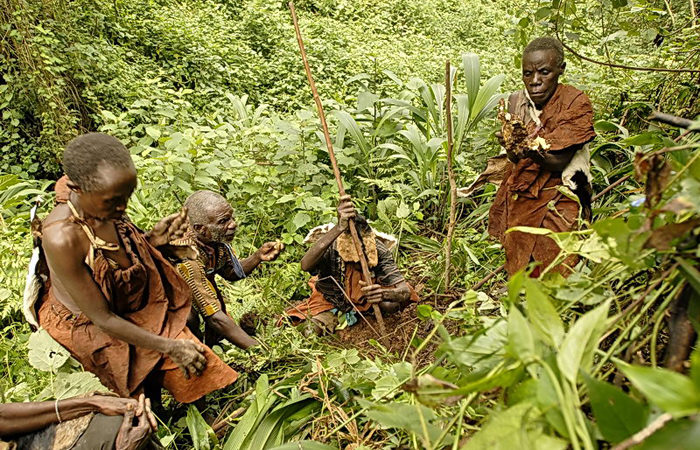
Fact About the Batwa People: Deep Roots in the Woodlands
For the Batwa people, the jungle represents far more than a physical space; it is an essential provider, a sanctuary for the soul, and the bedrock of their heritage.
Historically, this community existed in perfect harmony with Uganda’s tropical ecosystems, specifically the regions of Mgahinga and Bwindi.
These thick canopies served as their dwelling and life-force, yielding all necessary nourishment and therapeutic plants.
The Batwa people developed exceptional survival techniques over thousands of years.
They excelled at tracking and capturing small wildlife with traditional archery, while also mastering the art of gathering by locating nutritious flora, roots, and wild fruits with remarkable accuracy.
Every facet of their daily life was woven into the surrounding ecology.
As an example, they constructed seasonal dwellings out of foliage and limbs, ensuring their temporary camps left virtually no ecological footprint.
In addition to utilizing the woodland for survival, the Batwa people revered it as a holy realm.
Their faith centered around ceremonies conducted in remote parts of the bush, paying homage to the ancestral deities thought to watch over the territory.
Furthermore, they observed strict cultural prohibitions designed to maintain the fragile equilibrium of their environment.
This profound relationship with the wilderness stands in sharp opposition to contemporary resource exploitation.
Their ancestral wisdom provides a model for eco-friendly existence, highlighting the importance of reverence and harmony with the earth.
This intense affinity for the natural world remains a cornerstone of who they are, offering a captivating glimpse into a distinctive way of life.
The Challenges Faced by the Batwa People
The decade of the 1990s brought sudden changes to how people and nature interacted. Altered ecological rules and conservation regulations quickly ended a long era of living in harmony.
In an effort to safeguard Uganda’s vanishing mountain gorillas and preserve their native territory, state authorities designated Mgahinga Gorilla National Park and the Bwindi Impenetrable Forest as restricted conservation zones.
While this initiative was crucial for ecological preservation, it led to the involuntary displacement of the Batwa people from their ancestral lands.
The Eviction and its Aftermath
One of the facts about the Batwa People is that their explusion was immediate and catastrophic.
Lacking official deeds to the ancestral territories they had inhabited for generations, the Batwa people were denied both financial restitution and alternative housing.
Banished from their forest domain, they were abruptly cut off from their essential sources of sustenance, shelter, and spiritual connection.
For an indigenous group so profoundly connected to nature, this forced relocation was a profound psychological and cultural trauma, rather than just a geographical shift.
In this unfamiliar landscape, the community found themselves pushed to the outer edges of society, trapped in severe poverty.
Their ancestral hunting and gathering expertise held zero economic relevance in a regional market dominated by farming and trade.
Removed from their natural woodland habitat, the Batwa people lost their shared traditions, spoken stories, and deep knowledge of nature.
These vital parts of their identity soon vanished.
Endurance and Intervention of the Batwa People.
Nevertheless, the narrative of this community is defined by incredible endurance.
Humanitarian charities, civil groups, and neighboring states have partnered for decades to empower local communities.
They provide access to classrooms, medical services, and jobs to boost participation in the Uganda Investment Authority business space.
Heritage tourism initiatives, exemplified by guided cultural trails, have also provided a vital financial lifeline, enabling community members to celebrate their history while generating an income.
Even with these interventions, severe obstacles persist, including systemic land instability, social prejudice, and the ongoing erosion of their cultural legacy.
Their experience highlights the delicate and complex challenge of merging environmental conservation with the human rights of indigenous groups.
Modern-Day Reality and Marginalization
Facts About the Batwa People: The lifestyle of this indigenous group was irrevocably altered in 1991 following the creation of the Mgahinga and Bwindi protected areas, established to safeguard the local flora, wildlife, and endangered primates.
The displaced inhabitants were never granted financial or territorial restitution by authorities.
Today, they endure widespread, institutionalized discrimination across public and private sectors, while their fundamental rights as native peoples remain unacknowledged.
Only a tiny fraction possess fragments of low-quality farming land, which was acquired through non-governmental development organizations like the Adventist Development and Relief Agency, the Bwindi Mgahinga Conservation Trust, and the African International Christian Ministry.
Because the original forest guardians were locked out of the legislative process, the vast majority became entirely displaced or reduced to squatting on properties belonging to other ethnic groups.
Stripped of choices, many are forced into begging, underpaid physical labor, exploitation, and theft just to survive.
Environmental Balance and Broken Promises of the Batwa People.
Historically, the fact about the Batwa people is that they thrived in harmony alongside wildlife, gathering wild honey, mushrooms, bamboo for handicrafts, construction materials, and firewood.
Today, however, they are unfairly branded as poachers and gorilla killers, routinely blamed for illegal hunting incidents within the national parks.
Historically, they were the true stewards of the wilderness until farming tribes migrated to the area.
It was these agricultural groups who cleared the trees, planted crops, and grazed livestock on lands that were once pristine rainforests.
Ironically, the farming communities responsible for deforesting the region were granted financial payouts and land titles, whereas the Batwa people who had preserved the ecosystem for centuries were left completely empty-handed.
While environmental protection was vital to prevent surrounding populations from encroaching further into the wildlife habitats, the economic models chosen entirely sidelined the forest’s original keepers.
Humanitarian Relief
Faced with the threat of total societal collapse, a turning point occurred in 2001 with the arrival of American medical missionaries, Dr. Scott and Carol Kellermann.
The missionaries acquired property and launched comprehensive initiatives to elevate the community’s quality of life.
Their efforts yielded dedicated medical facilities, schools, and sustainable housing.
Furthermore, they introduced clean water systems, sanitation infrastructure, and self-sufficiency programs designed to help the population generate independent revenue.
Advancing Batwa Heritage
The administration of these initiatives has been transferred to the Batwa Development Program (BDP).
This organization collaborates directly with the Batwa people to safeguard their ancestral rights while ensuring they receive economic advantages from the forest’s status as a protected wildlife reserve and a destination for travelers.
Currently, the bulk of the Batwa people exist as unauthorized residents on private land.
They construct basic, temporary shelters and engage in minor agricultural cultivation, offering their services as low-cost manual laborers simply to secure daily sustenance.
This lifestyle is a direct result of no longer being permitted to rely on the woodlands for their livelihood.
Known for their incredible stamina, the Batwa people are highly sought after by local landowners specifically for intensive agricultural tasks.
While a small number of families have been successfully relocated by non-profit entities that purchased property on their behalf, the vast majority continue to live as displaced tenants.
Conclusion on facts about the Batwa people: True reconciliation with the Batwa People requires moving beyond viewing them as mere tourist attractions to recognizing them as vital partners in conservation.
Supporting them through land rights, education, and community-led tourism remains essential to their long-term dignity and empowerment.