
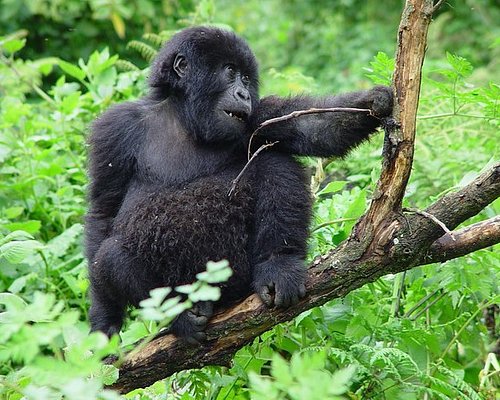
Gorilla Trekking Rules & Guidelines 2026-2028
Whether you are a first-time visitor or a seasoned safari enthusiast, understanding and following gorilla trekking rules & guidelines is a must-do. The idea is entirely to ensure a safe, respectful, and rewarding experience.
While on gorilla trekking in any of the African safari parks to see gorillas, visitors, it is mandatory to adhere to strict regulations designed to protect both humans and gorillas.
Rwanda, Uganda and DRC are the world’s most celebrated destinations for gorilla trekking, offering travelers a rare opportunity to encounter endangered mountain gorillas in their natural environment. The must-visit places for you to encounter mountain gorillas include Bwindi Impenetrable National Park and Mgahinga Gorilla National Park- (Uganda), Volcanoes National Park (Rwanda), and the Virunga National Park (DRC).
Why Gorilla trekking rules & guidelines matter
Mountain gorillas are among the world’s most endangered primates. Although conservation efforts have led to encouraging population growth, these gentle giants remain vulnerable to habitat loss, disease transmission, and human disturbance.
The rules and guidelines established by wildlife authorities are intended to:
- Protect gorillas from human-borne diseases.
- Ensure visitor safety in the forest.
- Minimize environmental impact.
- Support sustainable tourism practices.
- Preserve natural gorilla behavior.
- Enhance the quality of the trekking experience.
By following these regulations, every visitor contributes directly to the long-term survival of mountain gorillas in Uganda, Rwanda and Congo.
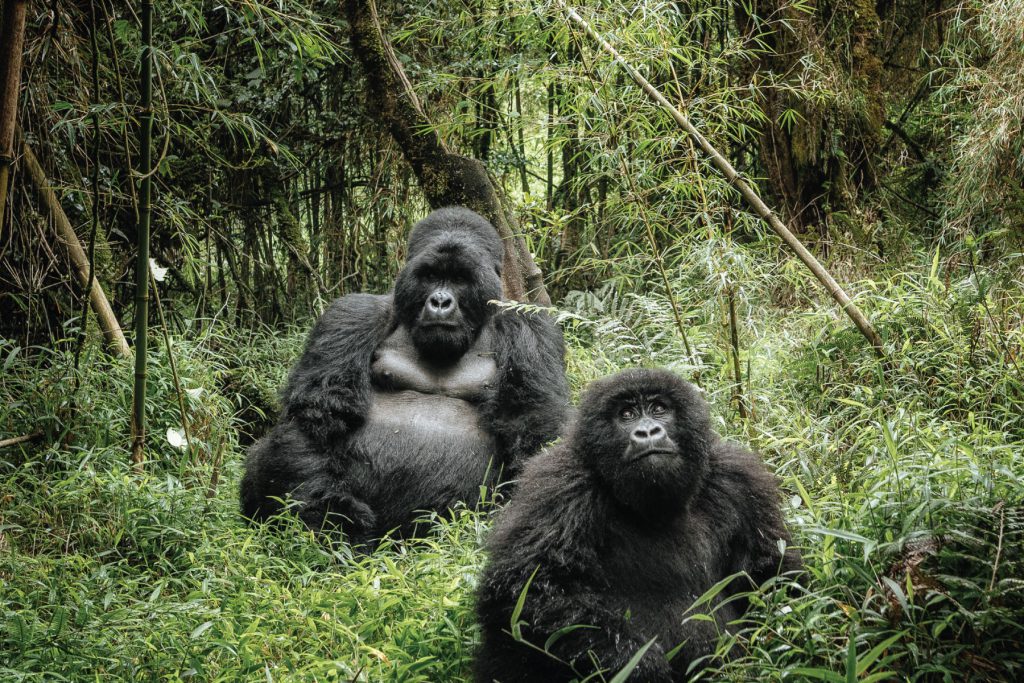
Rules and Guidelines before the Trek:
- You must be 15 years or older to participate.
- A valid gorilla permit and original passport are required at check-in.
- Hand washing or sanitizing is mandatory before departing the briefing station.
- A maximum of 8 visitors are allowed per gorilla family each day.
Rules and Regulations during the Trek
Attend the mandatory briefing session
Before entering the forest, all trekkers participate in a briefing conducted by park rangers.
During the briefing, visitors learn Gorilla behavior and communication, safety procedures, trekking expectations, conservation regulations, and emergency protocols.
Paying close attention during this session is crucial because the information provided will guide your conduct throughout the experience.
Ensure you are healthy
One of the most important requirements for gorilla trekking is being in good health. Gorillas share approximately 98% of their DNA with humans, making them highly susceptible to human illnesses.
Visitors experiencing symptoms such as flu, cough, fever, sore throat, respiratory infections, diarrhea should not participate in the trek.
Even a minor illness can pose a serious threat to an entire gorilla family.
Dress appropriately for the forest
Uganda’s gorilla habitats are characterized by dense vegetation, steep slopes, muddy trails, and unpredictable weather conditions.
Recommended clothing includes long-sleeved shirts, long trousers, water proof hiking boots, thick socks, gardening or trekking gloves, waterproof rain jacket, wide-brimmed hat
These items help protect against insects, thorny vegetation, and the unpredictable changing weather conditions.
Carry essential trekking gear
A successful gorilla trek often requires several hours of walking through mountainous terrain.
Useful items include drinking water, energy snacks, camera, binoculars, sunscreen, insect repellent, personal medication and lightweight backpack
Hiring a porter is also highly recommended. Besides helping carry luggage, porters provide valuable support on challenging sections of the trail while creating employment opportunities for local communities.
Follow ranger instructions at all times
Park rangers are highly trained professionals with extensive knowledge of gorilla behavior and forest safety.
During the trek, stay with your assigned group, follow designated trails where instructed, never wander away from guides and listen carefully to all ranger directions.
Rangers monitor both visitor safety and gorilla welfare, making their instructions essential to a successful trek.
Maintain a respectful distance from Gorillas
One of the most important gorilla trekking regulations is maintaining a minimum distance of seven meters (approximately 23 feet) from the animals.
This rule helps to;
Prevent disease transmission
Reduce stress on gorillas
Minimize behavioral disruptions, and
Protect visitors from accidental encounters.
Although gorillas occasionally move closer out of curiosity, visitors should never attempt to reduce the distance intentionally.
Keep noise levels to a minimum
The forest environment should remain peaceful and undisturbed.
While observing gorillas;
Speak softly
Avoid shouting
Silence mobile devices
Refrain from making sudden noises.
Quiet behavior allows gorillas to continue their natural activities and enhances the overall wildlife experience for everyone in the group.
Never touch Gorillas
No matter how calm or friendly a gorilla may appear, physical contact is strictly prohibited.
Touching gorillas can transmit diseases, cause stress, alter natural behavior, and trigger defensive reactions.
Visitors should appreciate these magnificent animals from a safe and respectful distance.
Practice responsible photography
Capturing photographs of mountain gorillas is often a highlight of the trek. However, photography should never interfere with the animals’ comfort.
Photography guidelines include;
Turning off camera flash
Avoiding aggressive movements while taking photos
Maintaining the recommended viewing distance
Following ranger instructions regarding positioning.
Natural and respectful photography often results in the most authentic images.
What to do if a Gorilla approaches you?
Occasionally, gorillas may move closer to visitors, especially curious juveniles.
If this happens:
- Remain calm.
- Avoid sudden movements.
- Do not run.
- Keep your voice low.
- Follow ranger instructions.
Running may be perceived as a threat and triggers an instinctive response. Calm behavior demonstrates respect and helps maintain a peaceful interaction with the Gorillas.
Avoid eating, drinking, or smoking near Gorillas
Food items can attract attention and potentially introduce harmful substances into gorilla habitats.
Visitors should:
Complete meals before the encounter
Avoid chewing gum around gorillas
Never leave food scraps behind
Refrain from smoking in gorilla viewing areas.
These practices help preserve the health of both gorillas and their environment.
Respect the one-hour viewing rule
Africa Wildlife authorities limit gorilla viewing time to one hour once the gorilla family has been located.
This regulation exists because prolonged human presence can cause stress, interrupt feeding patterns, affect social interactions and increase disease exposure risks.
Although many visitors wish to stay longer, respecting the one-hour limit supports sustainable conservation efforts.
Protect the forest environment
The forests that shelter mountain gorillas are among Africa’s most important ecosystems.
Responsible trekkers should;
Carry out all litter
Avoid damaging vegetation
Stay on designated paths, Ask the ranger guide to dig you a hole of 30cm deep if you need to ease yourself
Respect wildlife encountered along the way and leave no trace of their visit.
Conservation begins with simple actions that preserve the integrity of these habitats.
Support local communities
Gorilla tourism contributes significantly to community development around Uganda’s, Rwanda’s and Congo’s protected areas.
Visitors can make a positive impact by:
- Hiring local porters.
- Purchasing locally made crafts.
- Using community-owned accommodations.
- Respecting local cultures and traditions.
Sustainable tourism creates incentives for conservation while improving livelihoods for neighboring communities.
Final Thoughts
By following established trekking guidelines, visitors help safeguard gorilla populations, support conservation initiatives, and ensure that future generations can continue to enjoy this extraordinary encounter.
When approached with care and appreciation, a gorilla trek becomes more than just a safari activity; it becomes a meaningful contribution to one of Africa’s greatest conservation success stories.