Is Uganda free from Ebola Cases?
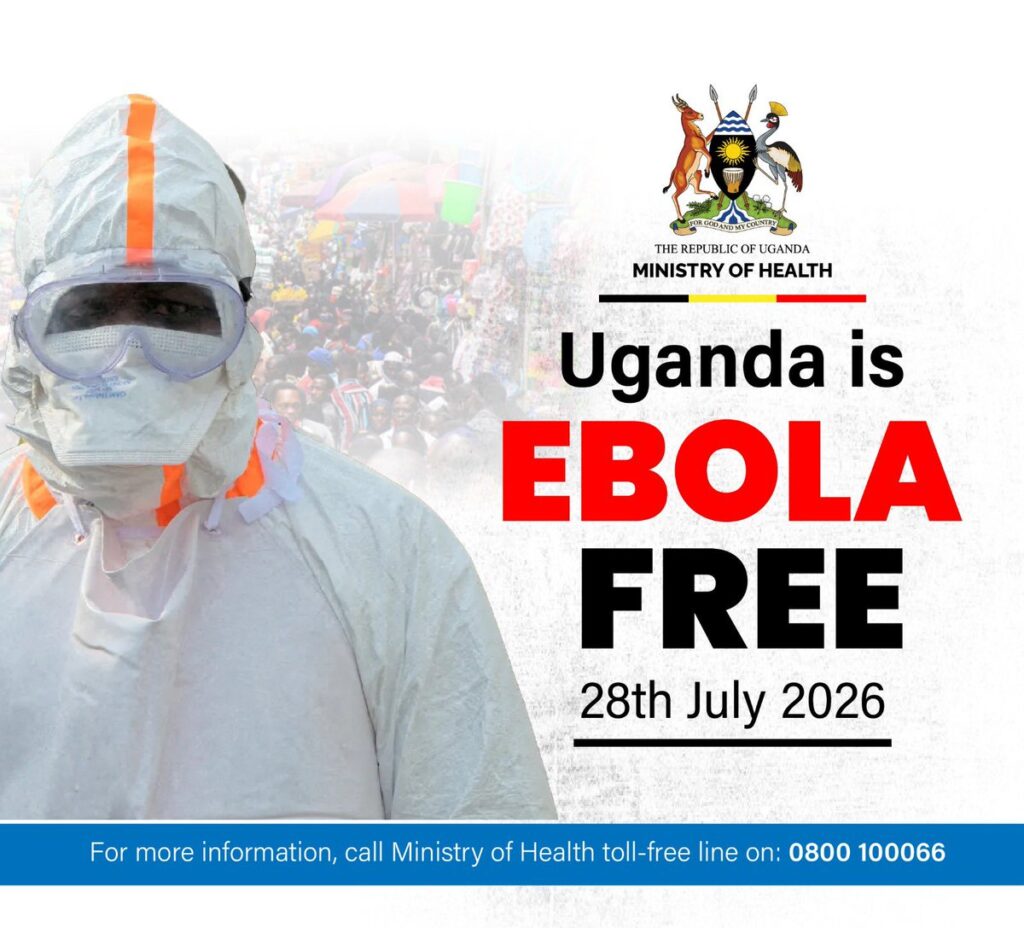
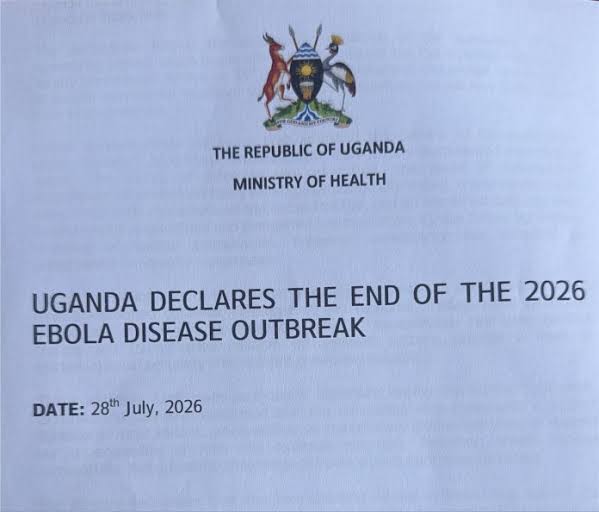
Uganda is officially free from Ebola cases. The Ugandan Ministry of Health, through the Minister of Health, Hon. Dr. Chris Baryomunsi, declared the official end of the 2026 outbreak on Tuesday, July 28, 2026.
This major milestone was reached after the Uganda government successfully passed the mandatory 42-day monitoring period with zero new Ebola cases registered. This duration represents twice the maximum incubation period of the virus.
If you are planning a safari to see the mountain gorillas, exploring the vibrant streets of Kampala, or traveling for business, Uganda is open, secure, and entirely clear of active Ebola transmissions.
Here is a comprehensive breakdown of the current situation, the strict measures implemented to ensure safety, and what you need to know as an international traveler.
The Ebola Outbreak: Facts and Containment
The recent health scare arose from a fully documented importation event originating across the border in the Democratic Republic of Congo (DRC).
In mid-May 2026, individuals crossed from the DRC seeking medical care for an unspecified illness before testing positive for the rare Bundibugyo strain of the Ebola virus.
Because of Uganda’s highly advanced healthcare response system, the situation was neutralized rapidly:
- Total Confirmed Ebola Cases: 20 infections were recorded nationwide.
- Importation Dynamics: 15 cases were directly imported from the DRC. The remaining 5 cases occurred among Ugandan care workers who attended to these individuals from DRC.
- Recoveries & Deaths: 18 individuals fully recovered and were discharged. Tragically, 2 patients (both Congolese nationals) succumbed to the illness.
- The Milestone: The last locally transmitted patient was discharged from an institutional care center on June 16, 2026. No further cases have emerged since, clearing the grounds for the official declaration of an Ebola-free Uganda.
 Is Uganda Free from Ebola ? Here is Why You Should Travel to Uganda
A primary concern for any traveler is whether a disease has slipped into community transmission.
The Ugandan Ministry of Health confirms that intensive nationwide surveillance has detected no unexplained or secondary community spread.
The containment was successful because every single transmission chain was mapped, reconstructed, and isolated. All identified contacts completed a mandatory 21-day institutional quarantine without manifesting symptoms.
Furthermore, Uganda’s response mechanism is regarded as a gold standard in East Africa. Unlike the vast, remote regions of neighboring Congo, where the virus has historically proven harder to trace, Uganda relies on localized infrastructure.
The state swiftly mobilized rapid response teams, launched mobile diagnostic laboratories, and temporarily suspended passenger transit across the immediate DRC border to shield the interior of the country.
Measures Protecting Uganda’s Tourism and Borders
While Uganda has eradicated the virus internally, health authorities understand that vigilance must remain high due to the active outbreak in the DRC. To ensure tourists and citizens remain safe, the government continues to enforce robust preventative protocols:
- Cross-Border Controls and Mobile Labs
To neutralize the threat at its source, Uganda signed a bilateral Memorandum of Understanding (MoU) with the DRC.
Uganda deployed 50 expert health professionals alongside specialized equipment into eastern Congo.
The country set up an 80-bed Ebola Treatment Unit and operationalized mobile laboratories in border zones like Aru and Kasenyi.
This containment-at-source strategy protects visitors traveling within Uganda from external cross-border risks.
- Airport and Entry Point Screenings
When arriving via Entebbe International Airport or major land borders, travelers will notice lingering, highly effective health screenings.
Routine temperature checks, health declaration forms, and sanitized handwashing stations remain active standard operating procedures.
These systems are designed to detect anomalous health patterns before individuals blend into public spaces.
- Community Surveillance Networks
Public health systems across major tourist circuits including Bwindi Impenetrable National Park, Queen Elizabeth National Park, and Murchison Falls maintain strict communication lines with central health authorities.
Village health teams and lodge staff are educated to identify and report any sudden illnesses immediately.
Impact on Safaris, Flights, and Ground Transport
There are currently no internal travel restrictions anywhere inside Uganda.
Domestic flights, safari tour operators, hotels, and national park excursions are fully functional.
Public transit and domestic vehicle operations, which briefly faced regulated movements near border entries during the peak response in May, have returned to baseline operations. Major international carriers continue to service Entebbe on regular schedules without interruption.
The economic infrastructure supporting tourism is completely open for business. Tour operators have implemented top-tier hygiene practices to safeguard international guests, allowing you to book your encounters with the country’s wildlife with absolute peace of mind.
Is Uganda Free from Ebola? Vital Health Tips for Travelers in East Africa
Even though Uganda is completely free of Ebola, practicing smart travel hygiene safeguards your vacation against a variety of tropical and common illnesses:
- Maintain Good Hand Hygiene: Wash your hands frequently with soap and clean water or utilize alcohol-based hand sanitizers, especially when exploring local markets or public venues.
- Avoid Bordering the DRC: If your itinerary involves the far western boundary of Uganda, stick strictly to established national parks and registered guide routes. Avoid crossing through porous, unofficial crossing points into the DRC, where outbreaks remain active.
- Avoid Contact with Wildlife Fluids: Do not handle bush meat or touch wild animals, particularly fruit bats and non-human primates, which serve as natural reservoirs for various zoonotic viruses.
- Utilize Official Emergency Lines: If you or anyone in your traveling party experiences a sudden high fever, intense fatigue, or muscle pain, do not panic. Seek immediate professional assessment at a licensed clinic or alert health authorities via the toll-free national health line at 0800-100-066.
Is Uganda Free from Ebola: Frequently Asked Questions (FAQ)
- Is Uganda officially declared free of Ebola?
Yes. The Ugandan Ministry of Health declared the official end of the recent outbreak on July 28, 2026. The declaration followed 42 consecutive days—double the virus’s maximum incubation period with zero active or new cases reported anywhere in the country.
- Are there any travel restrictions or lockdowns in place inside Uganda?
No. There are currently no lockdowns, curfews, or domestic travel restrictions within Uganda. All national parks, tourist attractions, hotels, domestic airports, and public transport systems are operating normally.
- Is it safe to go on a safari to see mountain gorillas or chimpanzees?
Yes, it is entirely safe. Uganda’s major primate tracking locations, including Bwindi Impenetrable National Park, Kibale Forest, and Mgahinga Gorilla National Park, are located far from the containment zones where the previous border-linked cases occurred. Strict conservation protocols such as wearing masks and maintaining a safe distance from primates are always enforced to protect both visitors and the wildlife.
- What health screening procedures should I expect when arriving in Uganda?
When landing at Entebbe International Airport or passing through official land borders, travelers undergo routine, non-invasive health screenings. This includes automated thermal temperature checks and hand sanitization. These proactive measures are standard practice to maintain the country’s Ebola-free status.
- Do I need an Ebola vaccine to enter Uganda?
No. There is no requirement for international travelers to be vaccinated against Ebola to enter Uganda. Ebola vaccines are primarily reserved for frontline healthcare workers and high-risk contact networks in active outbreak zones.
- What other health and entry requirements should I be aware of?
While Ebola is no longer a concern, Uganda still maintains standard entry health requirements:
- Yellow Fever Vaccination: A valid Yellow Fever vaccination certificate is mandatory for all incoming travelers over the age of one.
- Malaria Prophylaxis: Uganda is a malaria-endemic country. Travelers are strongly advised to consult a travel clinic before departure to get the appropriate malaria preventative medication.
- E-Visa Requirement: All visas must be applied for and approved online through the official Electronic Visa Application System before traveling.
Uganda no longer issues visas on arrival.
- What should I do if I feel unwell during my trip?
If you develop a sudden fever, fatigue, or muscle pain while traveling, do not assume the worst common ailments like malaria or fatigue from travel present similar early symptoms. Contact your lodge management or tour operator immediately.
The Verdict: Is it Safe to Visit Uganda?
Yes. Uganda is completely safe and free from active Ebola cases. The country has conclusively shown that its public health apparatus can rapidly outmaneuver outbreaks, isolate threats, and preserve the safety of its citizens and international guests.
The “Pearl of Africa” remains ready to welcome you with open arms, thriving wildlife, and unparalleled natural beauty.